
Fix a Dripping Tap in London by Replacing Worn Parts
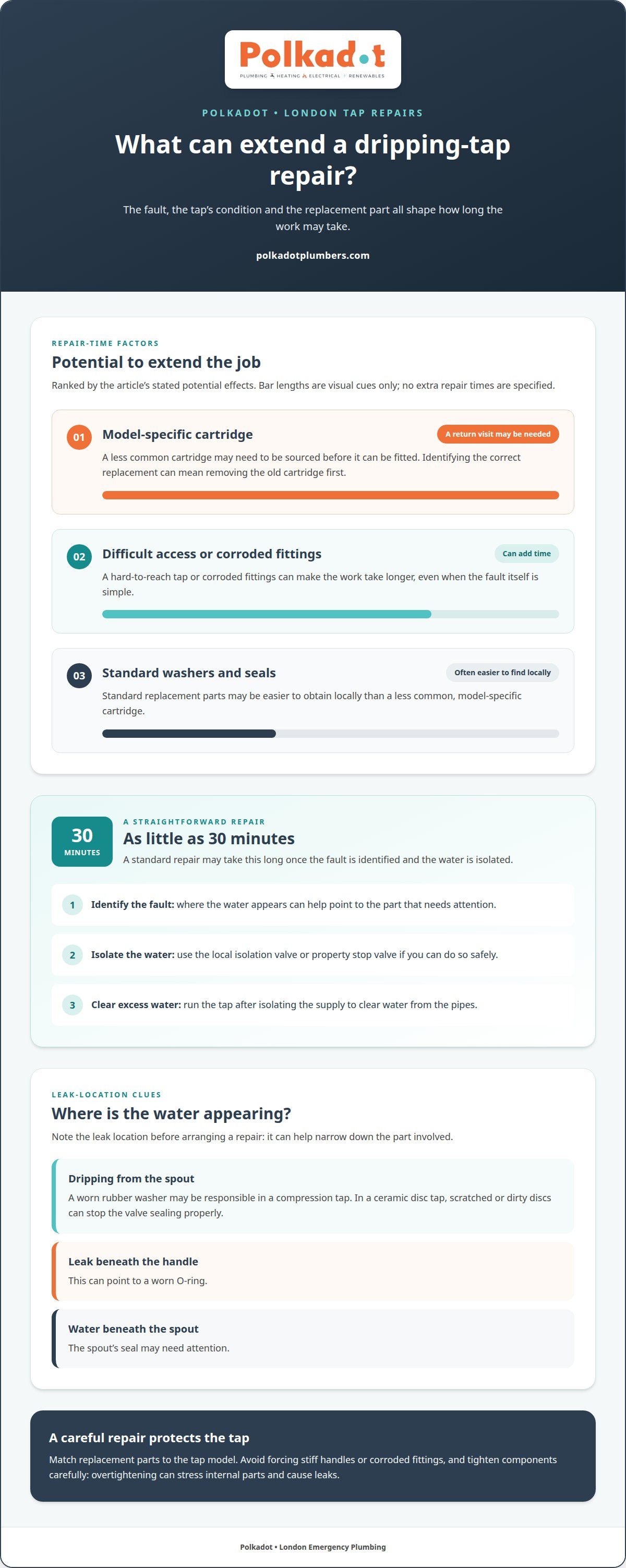
A straightforward tap repair can take as little as 30 minutes. To fix a dripping tap in London, the plumber will usually identify the worn part, isolate the water and replace the washer, O-ring or cartridge causing the leak. The exact repair time depends on the tap and how accessible its parts are.
A persistent drip can be frustrating, but it often has a practical cause. A worn washer may be responsible, while a leak around the handle or spout can point to a seal or cartridge that needs attention. Safely turning off the water is an important first step before removing any parts.
Here, you’ll learn what commonly causes a tap to drip, which parts may need replacing and how to locate and use the stop valve. You’ll also find out what can affect repair time, so you know what to expect when arranging the work.
Table of Contents
Emergency and same-day tap repairs in London
To fix a dripping tap in London, a plumber first identifies the fault, isolates the water and checks which part needs attention. A standard repair can take as little as 30 minutes, although access and the condition of the fittings affect the time.
Urgent repair arrangements
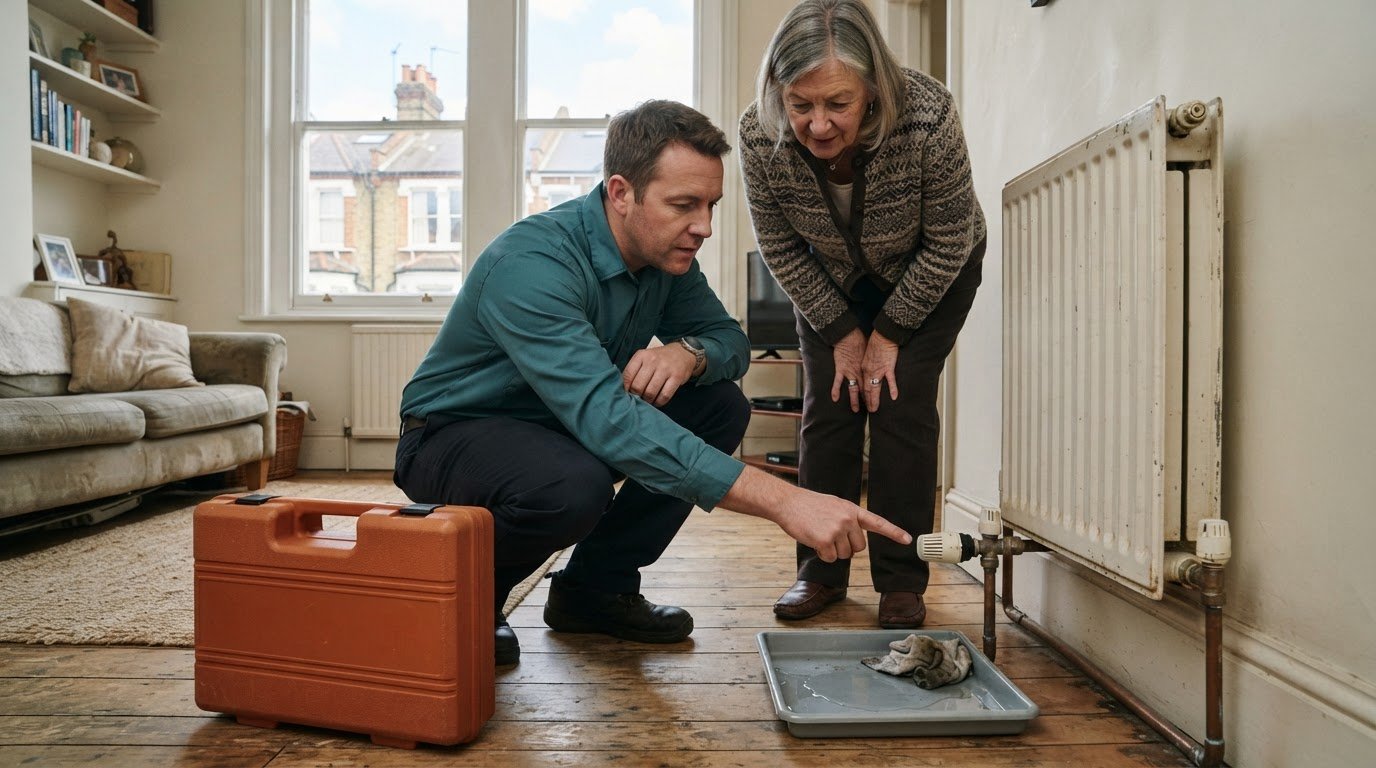
If water is actively leaking, turn off the local isolation valve or property stop valve if you can do so safely. Then arrange an urgent visit or ask about a same-day appointment. Explain whether the leak comes from the spout, handle or base. This helps the plumber assess the problem and prepare for the tap repair.
For a manageable drip, a routine appointment may be suitable if the supply is safely isolated. Plug the sink before any DIY work to prevent small screws or parts from falling into the drain. Don’t force a stiff handle or overtighten fittings, as either can worsen the leak.
Mixer-tap cartridge work
A mixer tap may use a cartridge to control water flow and temperature. If it’s faulty, the cartridge may need repairing or replacing to restore normal operation. The plumber isolates the supply, removes the handle and examines the cartridge before selecting a compatible replacement.
Cartridges vary between tap models, so identifying the correct part may require removing the old one. If you attempt the repair yourself, keep the components in order and don’t force the cartridge housing. Stop if the tap still leaks after reassembly.
Repair time and parts availability
A standard repair may take as little as 30 minutes once the fault is identified and the water is isolated. A less common or model-specific cartridge may need sourcing before fitting, which can mean a later return visit. Standard washers and seals may be easier to obtain locally.
To fix a dripping tap in London efficiently, access and the right replacement part both matter. Corroded fittings or a hard-to-reach tap can add time, even when the fault itself is simple.
Choosing a qualified London plumber
Choose a plumber with relevant experience in tap repairs and mixer-tap cartridges. Explain where the water appears and ask what repair steps may be needed. According to the UK Government, plumbing work should be carried out by a qualified plumber, such as one accredited through the WaterSafe scheme.
Common causes of dripping taps
A drip from the spout often points to a worn rubber washer in a compression tap. In a ceramic disc tap, scratched or dirty discs can stop the valve sealing properly. A leak beneath the handle suggests a worn O-ring, while water beneath the spout may indicate that its seal needs attention. Note where water appears before arranging a repair; the location helps narrow down the faulty part.
Tap design offers another diagnostic clue. Compression taps need a full turn or more to reach maximum flow, while ceramic disc taps reach it after half a turn or less. A tap that drips after being turned off may have a worn seal, but overtightening can also stress internal parts and cause leaks. Turn the handle off firmly but gently, rather than forcing it against resistance.
Fixing a leaking tap starts with isolating the water and identifying the valve type. A DIY repair may suit someone who can safely remove the handle and match the replacement washer or seal. Keep the parts in order, and don’t force corroded fittings; damaged threads or an old, corroded tap can make a repair temporary. If the leak continues after replacing a part, the valve or tap installation may need closer assessment.
Outdoor taps need attention before winter. Where possible, fit a frost-free tap, as a standard bib tap is more vulnerable to freezing and splitting. Disconnect any garden hose over winter: trapped water can contribute to frost damage in the tap and pipe. If a garden tap is already leaking or its fitting looks damaged, arrange help with the tap leak before cold weather causes further problems.
Replacing washers, cartridges and seals
Once the water supply is isolated, the repair depends on the tap’s design and the part causing the leak. A drip from the spout may need a new washer; water beneath it can point to an O-ring. Mixer taps may use a cartridge to control flow and temperature. Matching the replacement to the existing fitting matters, as a part that looks similar may not seal correctly.
For a straightforward washer repair, the handle and valve are removed, the worn washer is replaced, then the tap is reassembled and tested. Replacing a cartridge follows similar steps, but the cartridge must match the tap model. Seals should sit evenly, without being stretched or pinched. Tighten fittings carefully, as overtightening can stress components and cause new plumbing problems.
Replacing a washer or seal may suit a tap with sound threads and no serious corrosion. If the body is corroded, parts are damaged, or the leak returns after fitting, replacing the whole tap may be more practical. The choice also depends on whether the fault is limited to one internal part or affects the tap’s structure. Identifying the tap type helps avoid replacing the wrong component.
Kitchen and bathroom taps both need a compatible replacement, but access and existing connections can affect the work. A high-quality tap generally lasts 15-20 years. A properly repaired tap can often last 10-15 years when its internal components and installation are sound. Consider replacement if an older tap has worn threads or repeated leaks; repairing it may only provide a temporary fix. A plumber can assess the tap’s condition and explain whether a washer, cartridge, seal or complete replacement best addresses the leak.
Water isolation and stop valves
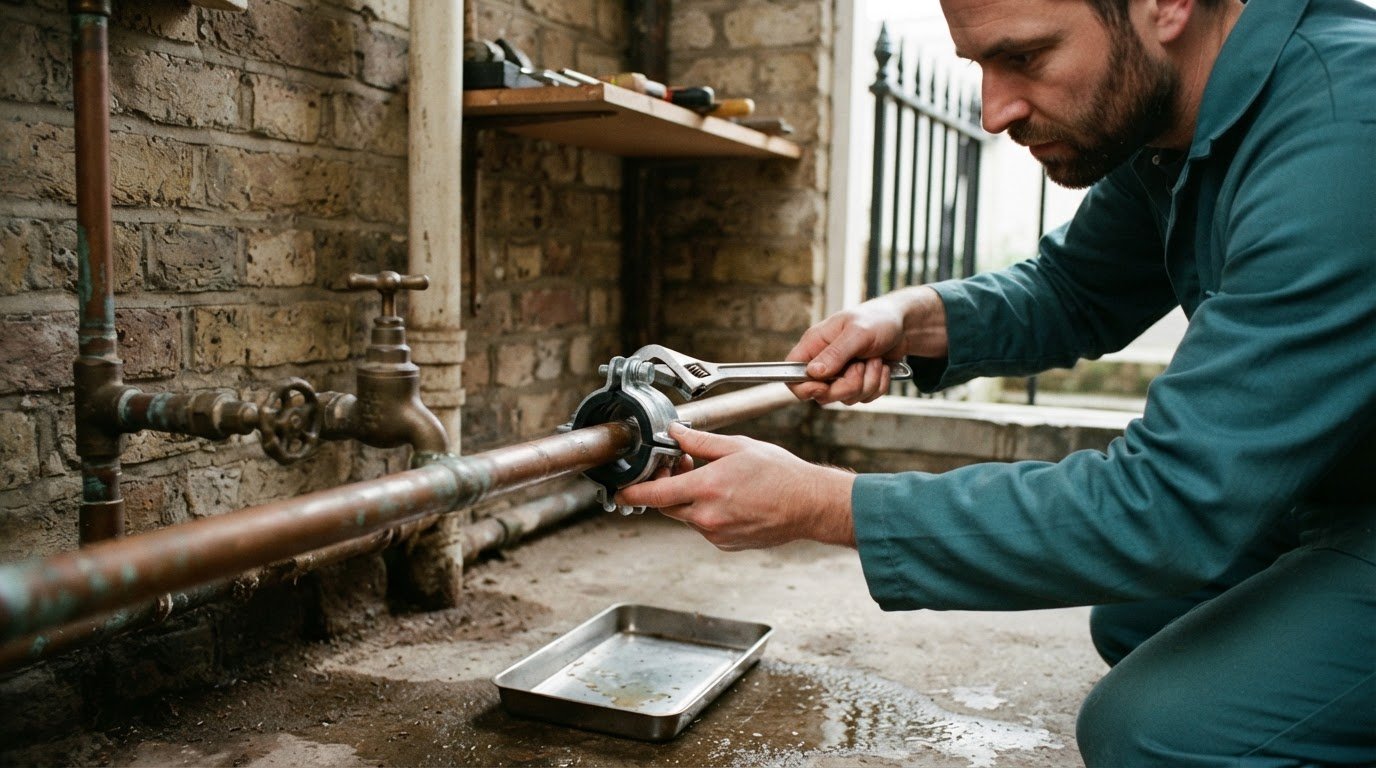
Before plumbing work, isolate the supply and run the tap to clear excess water from the pipes. A stop valve also helps limit water loss while a leak is being assessed.
Water isolation and stop-valve use
Locate the property’s stop valve and make sure it turns without force. It may be beneath a sink, outside the front of the house or somewhere less obvious, particularly after an extension. If the valve is stiff, don’t force it; penetrating oil may help free it. A qualified plumber can deal with a valve that remains stuck.
An isolation valve can shut off a separate supply, such as an outdoor tap, without stopping water elsewhere in the property. Knowing which valve controls the leaking tap makes repair work more straightforward. For an outdoor supply, an indoor isolation valve can shut it off before cold weather.
Temporary ways to stop a drip
How can you stop a dripping tap temporarily? Turn off its isolation valve if one is fitted; otherwise, use the property’s stop valve. Run the tap afterwards to release remaining water from the pipes. This stops the supply while you arrange a lasting repair, but it won’t fix the worn part.
Don’t overtighten mixer taps or try to stop a leak by applying force. If you can’t turn the valve safely, keep the area beneath the leaking tap clear and arrange qualified plumbing help. When booking, describe where the water appears and whether the valve has stopped the flow.
A tap dripping once every second can waste around 30 litres of water per day, or more than 10,000 litres a year. Water gathering around the base may stain surfaces, so dry the area and watch for renewed moisture.
Limescale can build up around a dripping tap or on the surface beneath it, especially where water repeatedly dries. Clean deposits gently, but don’t mistake a clean surface for a repair. If dampness returns after drying, isolate the supply and arrange a proper assessment.
Polkadot: London Emergency Plumbing
Polkadot provides London Emergency Plumbing for dripping taps that need professional attention. If the leak continues after you’ve isolated the water, or you’re unsure which washer, cartridge or seal needs replacing, plumbing support can help identify the fault and address it appropriately.
A tap with corroded fittings, recurring leaks or a stiff stop valve may need more than a simple part change. Explain where the water is appearing and what you’ve already done to isolate the supply. These details help clarify the issue and the work required. For straightforward wear, replacing the affected component may resolve the drip; a damaged or badly worn tap may need replacing instead.
If you need help with a dripping tap, contact Polkadot to discuss the plumbing issue.
Take the next step towards a reliable repair
A lasting repair starts with a clear diagnosis and the right replacement part. If you need to fix a dripping tap in London, describe the leak, tap type and any signs of corrosion when arranging help. These details give the plumber a useful starting point and help focus attention on the fault, rather than just the visible drip.
Polkadot also offers Air Conditioning, Refurbishment and Heating, alongside plumbing services. For a tap issue, keep the next step simple: explain what you’ve noticed and whether you’ve isolated the water. You can then discuss the plumbing work needed for your home without guessing which component is at fault.
Contact Polkadot about your tap to discuss the leak and a suitable repair. A clear account of the problem is a practical first step towards getting your tap working properly again.
Frequently Asked Questions
How long does a tap repair take?
A standard tap replacement in London usually takes 1-2 hours. That is different from changing a washer or another worn internal part, which can be quicker. The time depends on how the tap is fitted, whether connections are accessible and whether existing fittings can be reused. If replacing a tap, clearing the space beneath the sink can make access easier.
Dripping tap driving up your bills?
Yes, a persistent drip can increase household water use, and the effect on your bill depends partly on how your home is charged for water. If you have a water meter, extra consumption can affect the amount billed. If you’re unsure whether the tap is still leaking, dry the basin and check whether fresh drops appear when it’s not in use.
Can a dripping tap cause damage if left unfixed?
It can leave mineral deposits or marks where water repeatedly lands, particularly around the tap base and basin. Check the surface and the cupboard beneath the sink for fresh dampness, as water may travel beyond the visible drip. Dry the area and monitor it; a recurring wet patch can help distinguish an active leak from an old stain.
Can you fix both old and modern taps?
Yes, both can be assessed. Modern mixer taps may use model-specific cartridges, while older taps can have worn or corroded fittings that affect how they can be repaired. The tap’s design and the condition of its internal components guide the choice of replacement part. Share the make or a clear description when arranging plumbing work, if available.
Can you look at other small plumbing issues during the same visit?
Raise any other concerns when arranging plumbing work, such as a slow basin drain or a separate leak. Polkadot’s plumbing services include repairs, leak detection and drainage maintenance. Describe each issue and where it occurs so the work can be considered together. Mention any active water leak first, especially if it is affecting a cupboard, floor or nearby fittings.
Do I need to turn the water off before you arrive?
You don’t need to dismantle the tap before the appointment. If the drip is worsening, turn off its local isolation valve if you can reach it safely; otherwise, use the property’s stop valve. Tell the plumber which valve you used and whether it stopped the flow. Before work begins, the water supply must be isolated and the tap run to clear excess water.
Comments