
Blocked drain clearing in London: causes and clearing methods
Wet wipes, excess toilet paper and cooking fats are common causes of blocked drains. Blocked drain clearing in London may involve a plunger, suitable drain cleaner or manual removal from pipework. A plumber is the better choice when a blockage persists, keeps returning or is difficult to reach.
A slow drain or backed-up sink can be frustrating, but the right approach depends on where the blockage is and what’s causing it. A simple obstruction may respond to basic methods, while a problem deeper in the pipework needs a more thorough diagnosis.
This guide covers common causes, ways to clear a blockage and signs that professional plumbing support is appropriate. It also explains the difference between foul water and surface water drainage, helping you identify which part of the system may be affected.
Table of Contents
Common causes of blocked drains
Wet wipes, excess toilet paper and cooking fats are common causes of blocked drains. A wipe may stay intact after flushing and catch on rough pipe joints or other debris. Several sheets of toilet paper can gather where a pipe narrows or bends, slowing a toilet or stopping it from draining altogether.
Cooking fats cause a different problem. Liquid fat can cool inside a pipe, cling to its walls and trap food scraps. Over time, the build-up narrows the passage for wastewater. Coffee grounds, rice and vegetable peelings can add to the obstruction when they enter a kitchen sink.
Hair and soap residue can collect around bathroom waste outlets. Hair caught in a shower trap, for example, can combine with soap deposits and restrict the flow. Leaves and litter can block outdoor grates, particularly where surface water drains from paving.
In the UK, foul water drainage carries wastewater from sinks, toilets and plumbed appliances. Surface water drainage carries rainwater from outdoor surfaces. Identifying the affected drain helps narrow down the cause: a slow kitchen sink points to a waste pipe, while water pooling near an outdoor grate may indicate a surface drainage problem. Blockages can also cause contaminated water to back up into a property.
Drain repairs follow different permission processes depending on whether work affects private pipework, shared sewer assets, a road or a watercourse. Establish ownership and access arrangements before repairs begin.
Before a plumber arrives, stop using affected sinks, toilets or appliances and clear access to the drain. Explain which fixtures are affected and when the symptoms started. Don’t add more chemicals or mix cleaning products.
To help prevent repeat blockages, keep wipes and food scraps out of drains. Let cooking fat cool, collect it separately and use a sink strainer for peelings. In bathrooms, remove hair from the shower trap before it builds up with soap residue.
Methods for clearing blockages
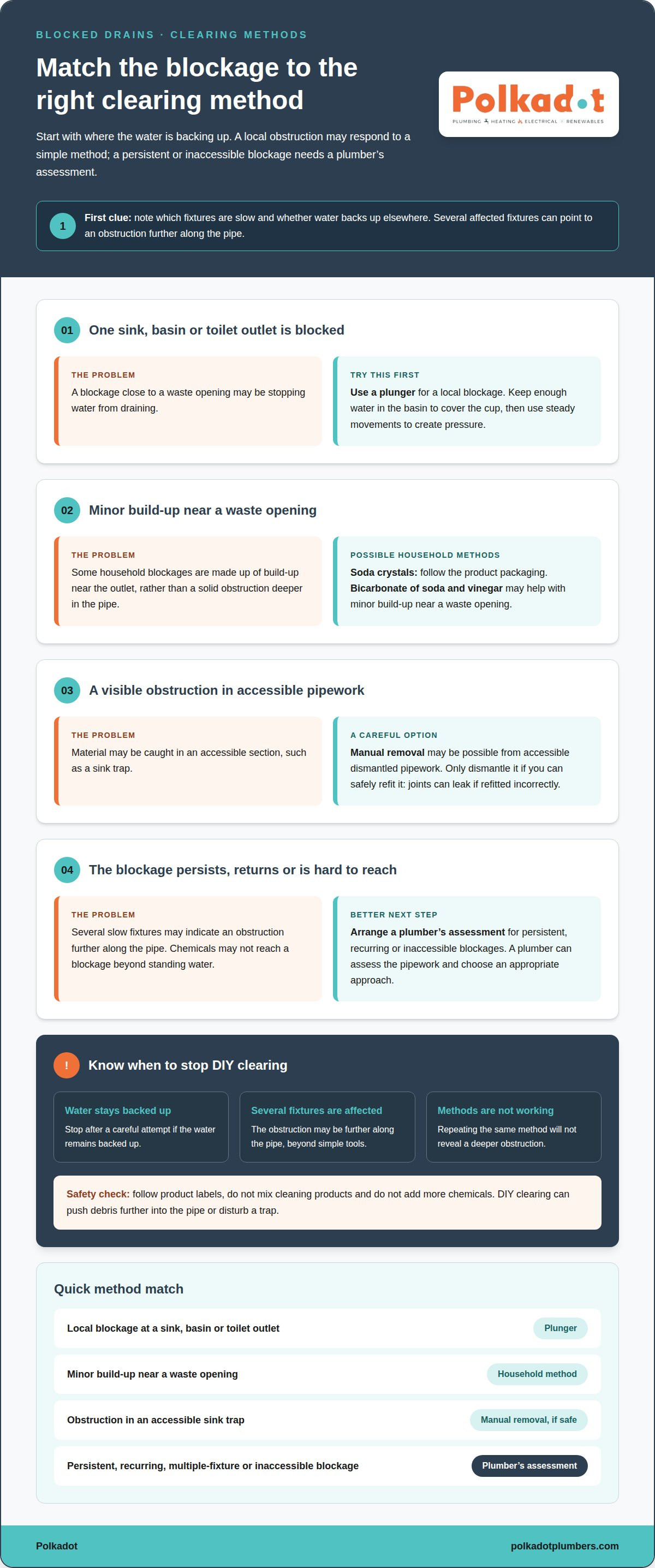
Blocked drain clearing in London starts with locating the obstruction and understanding how it affects the pipework. A plunger may shift a blockage close to a basin or toilet outlet. If several fixtures drain slowly, the obstruction may be further along the pipe, beyond the reach of simple tools.
For an obstruction near a waste opening, a plunger creates pressure that can loosen material. Keep enough water in the basin to cover the cup, then use steady movements. Soda crystals or bicarbonate of soda and vinegar may help with some household blockages, but they may not shift a solid obstruction deeper in a pipe.
Plunger: Try it for a local blockage around a sink, basin or toilet outlet.
Soda crystals: Follow the directions on the product packaging.
Bicarbonate of soda and vinegar: This combination may help with minor build-up near a waste opening.
Manual removal: An obstruction may be removed from accessible dismantled pipework, such as a sink trap.
Plumber: Professional assessment suits persistent or inaccessible blockages.
DIY clearing can push debris further into the pipe or disturb a trap. Joints may leak if dismantled and refitted incorrectly, and chemical cleaners may not reach an obstruction beyond standing water. Follow the label, don’t mix products and don’t dismantle pipework unless you can safely refit it.
Stop if water stays backed up after a careful attempt, or several fixtures are affected. Repeating the same method won’t reveal a deeper obstruction. Effective blocked drain clearing London households rely on starts with matching the method to the blockage. A plumber can assess the pipework and select an appropriate approach. For persistent problems, arrange professional drain-clearing help rather than continuing with DIY methods.
When to hire a plumber
Get professional help when a blockage persists, returns or affects several fixtures. First establish whether the problem is in private pipework or a public sewer.
Responsibility for drain clearance
Responsibility depends on the drain’s ownership and location, not simply whether you own or rent the home. A blockage in a private drain is different from one in a public sewer, which is the sewerage undertaker’s responsibility. If you rent, tell your landlord promptly so they can establish responsibility under the tenancy arrangements. Thames Water is not automatically responsible for every blocked drain in London.
Comparing drain-clearing companies
When choosing a plumbing service, look for a clear explanation of the proposed work, relevant qualifications, insurance information and recent customer reviews. Ask whether the assessment distinguishes a local blockage from a problem further along the drain. Reviews can help you judge communication and workmanship, but focus on specific examples rather than star ratings alone. Clear information makes it easier to understand the work involved.
Emergency call-out fees
There is no single emergency drain-unblocking call-out fee across London. The charge depends on factors such as the blockage’s location, access to the drain, equipment needed and whether clearance alone will resolve the problem. Ask for a clear breakdown of the call-out and any proposed additional work before authorising it. An average figure alone won’t show what a particular job includes.
Emergency response times vary across London. Travel distance, current demand, access to the property and the time of the call affect how soon a plumber can attend. Explain whether wastewater is overflowing, which fixtures are affected and where the access point is. These details help assess urgency and plan the visit.
Finding the blockage location
A blockage affecting one sink or toilet may be close to that fixture; several affected fixtures can point further along the drainage system. Note which outlets are slow, whether water backs up elsewhere and whether nearby properties report similar problems. These patterns can help distinguish a property drain issue from a possible public sewer obstruction, but don’t establish ownership by themselves.
What is the average emergency drain unblocking call-out fee in London?
There isn’t one reliable average call-out fee for every emergency drain blockage in London. The price depends on the circumstances and is provided after a quote request. The obstruction’s location, access to the drain, equipment required and work involved all affect the total.
A straightforward obstruction near an accessible inspection chamber may require different work from a blockage deeper in underground pipework. If investigation is needed before clearing the blockage, the visit may involve more than the initial call-out. A damaged pipe or recurring blockage can also require work beyond basic clearance.
Before agreeing to a visit, ask what the call-out charge covers and whether it includes diagnosis or clearance. Ask how additional work would be priced if the plumber finds a deeper obstruction. This helps distinguish the initial attendance charge from further work, rather than relying on a headline figure alone.
Location: A blockage near a fixture differs from one further along the drain.
Access: An obstructed or difficult-to-reach inspection point can affect the work.
Equipment: The method needed depends on the blockage and pipework.
Further repairs: Clearing a blockage may not address damaged or recurring pipe problems.
A slow-flowing sink with an accessible trap, for example, is different from wastewater backing up at several outlets. Explain which fixtures are affected, where water is backing up and whether the problem has returned. These details help clarify the likely work and the factors behind the quote.
Compare quotes by checking what each includes, not just the call-out amount. Clarify whether diagnosis, clearance and any follow-on repairs are separate. If you need urgent help with a plumbing problem, request London emergency plumbing support and describe the symptoms clearly.
There is no single average fee. The charge is quoted case by case, based on the obstruction and work required.
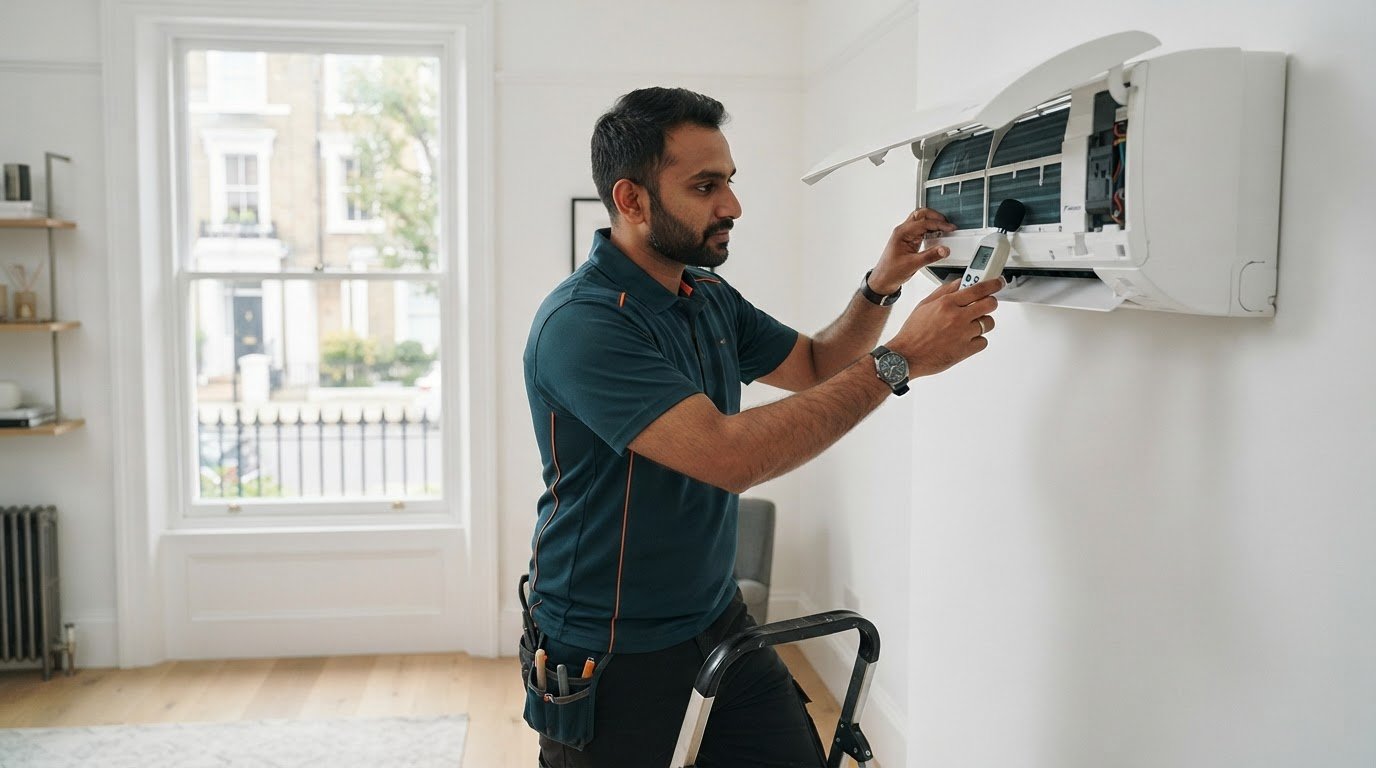
Polkadot: Air Conditioning
Polkadot provides London emergency plumbing for problems that need professional attention, including persistent or recurring drain blockages. When an obstruction remains inaccessible or keeps returning, a plumber can assess the pipework and determine whether the issue is limited to a property drain or needs further investigation.
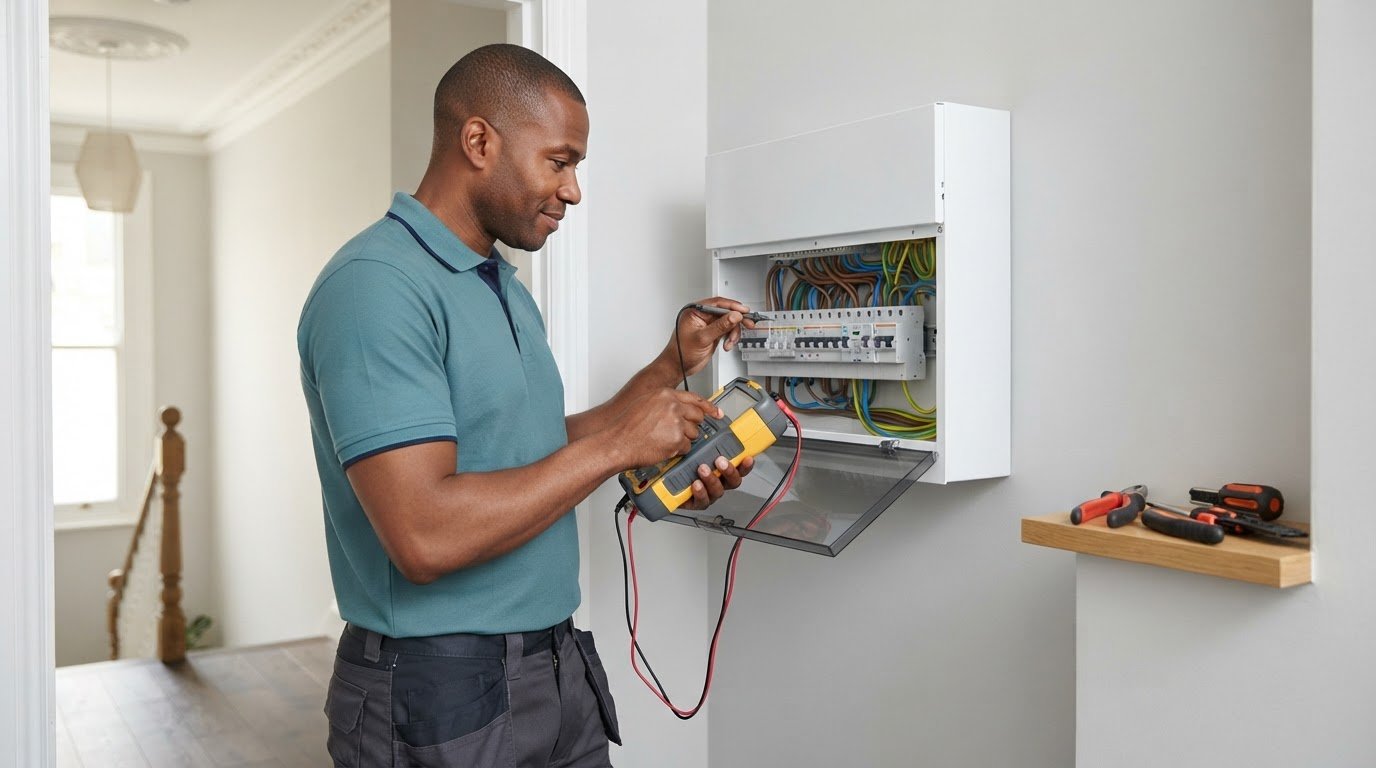
Polkadot also provides air conditioning, refurbishment, heating and electrical installation services. These may suit broader property work, rather than a drain blockage alone.
For plumbing support or help planning other property work, contact Polkadot to discuss your needs.
Take the next step towards a clear drain
A recurring blockage can be a useful prompt to look beyond the immediate obstruction. Consider whether the symptoms point to a wider issue, and keep a note of which outlets are affected, when the problem started and whether it returns. These details can help make the next conversation more focused.
For help with blocked drain clearing in London, contact Polkadot to discuss the problem and the support you need. Describe the symptoms to get a practical starting point for deciding what to do next.
Contact Polkadot for help and take the next step with confidence.
Frequently Asked Questions
What causes blocked drains in London homes and businesses?
Blocked drains often start when unsuitable waste enters pipework and catches on deposits or bends. In homes, wipes, excess toilet paper and cooking fat can contribute. In businesses, the likely cause depends on the premises: food scraps and grease may affect a kitchen, while wipes can obstruct toilets. Note which outlet is affected and whether other fixtures drain normally to help narrow down the likely location.
How do London drain-clearing companies unblock drains, and when do they use high-pressure water jetting?
A plumber may use a plunger, remove accessible material manually or clear pipework with specialist equipment. High-pressure water jetting sends water through the drain to dislodge accumulated debris. It can suit obstructions or build-up that a plunger cannot shift, particularly further along accessible drain pipework. The method depends on the blockage’s location and condition. An inspection helps determine whether jetting or another approach is appropriate.
How quickly do emergency drain-clearance services respond across London?
Response times depend on travel distance, current demand, access to the property and the time of the call. Tell the plumbing service whether wastewater is overflowing, which fixtures are affected and where the access point is so it can assess urgency.

Comments