
Plumbing Inspection in London: Costs and Checks
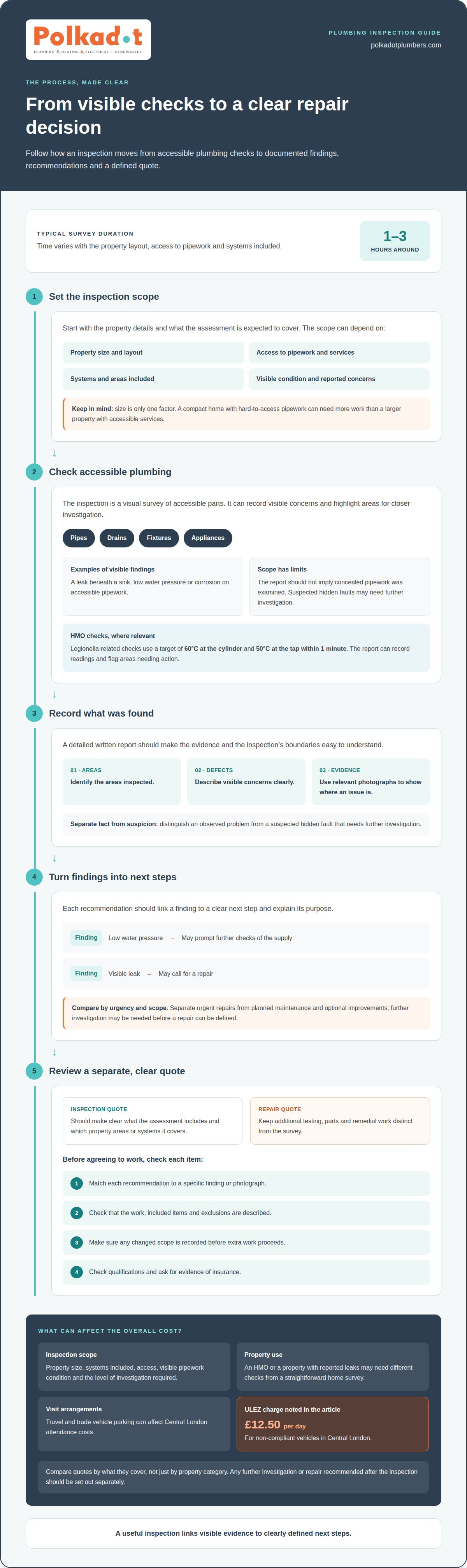
A plumbing inspection starts with a visual assessment of a property’s accessible pipes, drains, fixtures and appliances. It can highlight visible faults and areas that need closer attention, helping you decide what to do next. The plumbing inspection cost in London depends on factors such as the property’s size, access to the plumbing and the scope of the assessment.
It’s reasonable to want clarity on what an inspection covers and what its recommendations could mean for your budget. The findings can help distinguish routine maintenance from issues that may need repair. A quote should explain the proposed work and its cost.
Here, you’ll learn what a plumbing inspection involves, what affects plumbing service costs in Central London, and what to expect from recommendations and quotes. That way, you can approach the next step with a better understanding of the work being considered.
Table of Contents
What is a Plumbing Inspection?
A plumbing inspection is a visual survey of accessible pipes, drains, fixtures and appliances. It records visible concerns and highlights areas that may need closer investigation.
Written report contents
A detailed written report should identify the areas inspected, visible defects and recommended next steps. For example, it may note a leak beneath a sink, low water pressure or corrosion on accessible pipework. Look for clear descriptions that distinguish observed problems from suspected hidden faults.
Do landlords in England legally need regular plumbing inspections? The Homes (Fitness for Human Habitation) Act 2018 imposes a duty of repair on landlords, according to the UK legislation register, but does not set a routine plumbing inspection interval. An inspection can help identify defects that need attention.
Inspection duration
A plumbing survey usually takes around 1 to 3 hours. The time depends on the property layout, access to pipework and the systems included in the inspection. A larger property or difficult-to-reach services may require more investigation than an accessible, straightforward layout.
The report should explain the inspection’s scope and limits, rather than imply that concealed pipework was examined. Photographs can document visible issues, such as a damp patch or damaged fitting, and make the recommendations easier to understand.
Photographs and quotes
Useful photographs should relate to a specific finding and explain where it is. Recommendations should state the proposed work and its purpose. If repairs are recommended, ask for a separate quote that defines the agreed work, so you can see exactly what it covers.
Landlord and HMO checks
For an HMO, checks may include hot-water temperatures relevant to Legionella risk. According to the Health and Safety Executive, HMO Legionella checks use a target of 60°C at the cylinder and 50°C at the tap within 1 minute. The report can record readings and flag areas needing action.
How much do plumbing services cost in Central London?
Inspection costs depend on the property, access to pipework and checks required. A quote should reflect the property details and inspection scope, making clear what the assessment includes.
Property size and inspection costs
Annual inspection quotes can be organised by property size: a 1-2 bed home, a 3-4 bed home, or a property with 5 or more bedrooms. An HMO may need a broader inspection because its use and occupancy affect the checks involved. Compare quotes by scope, not just the property category: confirm what systems and areas the report covers.
Size is only one factor. A compact home with hard-to-access pipework can require more work than a larger property with accessible services. Any further investigation or repair recommended after the inspection should be set out separately.
Additional and excluded costs
Travel and parking arrangements can affect the overall cost of a Central London visit. Transport for London states the ULEZ charge for non-compliant vehicles in Central London is £12.50 per day. Trade vehicle parking can also add to attendance costs, depending on the location and arrangements.
A survey is not the same as repair work. Ask for the quote to distinguish the inspection from additional testing, parts and remedial work, such as fixing a leak or addressing a heating fault. This clarifies what is excluded and helps buyers understand which findings could affect their purchase budget.
Factors affecting inspection costs
What affects the cost of a plumbing inspection in London? Property size, the systems included, access, the condition of visible pipework and the level of investigation required all shape the scope. An HMO or a property with reported leaks may need different checks from a straightforward home survey.
For buyers considering a property, an inspection can identify concerns to discuss during negotiations. Repair costs depend on the work required. Compare recommendations by urgency and scope, including whether further investigation is advised. A clear quote separates the inspection findings from optional repairs, helping you decide based on the proposed work.
Recommendations and quotes for plumbing work
Each recommendation should connect a finding to a clear next step. For example, low water pressure may prompt further checks of the supply, while a visible leak may call for repair. A useful quote explains the proposed work, what it addresses and which parts are included.
How can you find a qualified, insured plumber for an inspection in London? Choose a plumber who can explain their relevant qualifications and provide evidence of insurance. Before work begins, make sure the inspection scope and any separate repair recommendations are clear in writing.
Read each recommendation alongside the report’s evidence. For instance, a photograph of a corroded fitting helps show its location and condition. The report should distinguish an observed fault from a suspected hidden issue that needs further investigation. This helps you understand why work is recommended, rather than treating every note as an immediate repair.
For a boiler, bathroom fitting or water supply concern, ask how the proposed work relates to the finding. A useful quote describes the task in plain terms, identifies included materials or labour, and states any exclusions. If further investigation is needed before the repair can be defined, the quote should explain that step separately.
Use a simple review process before agreeing to work:
Match each recommendation to a specific inspection finding or photograph.
Separate urgent repairs from planned maintenance and optional improvements.
Check that the quote describes the work, included items and exclusions.
Ask for any changed scope to be recorded before additional work proceeds.
This makes it easier to judge whether a recommendation addresses the cause or only a visible symptom. Repairing a dripping tap, for example, resolves that fitting, but a wider supply concern may need separate investigation. Keep the report and quote together to compare the agreed work with the inspection findings.
Inspection areas and process
A plumbing inspection examines accessible parts of the system, from visible pipework to connected fixtures. It records their condition, leaks, corrosion, drainage concerns and signs of water damage. It can also identify lead pipes or fittings for further consideration.
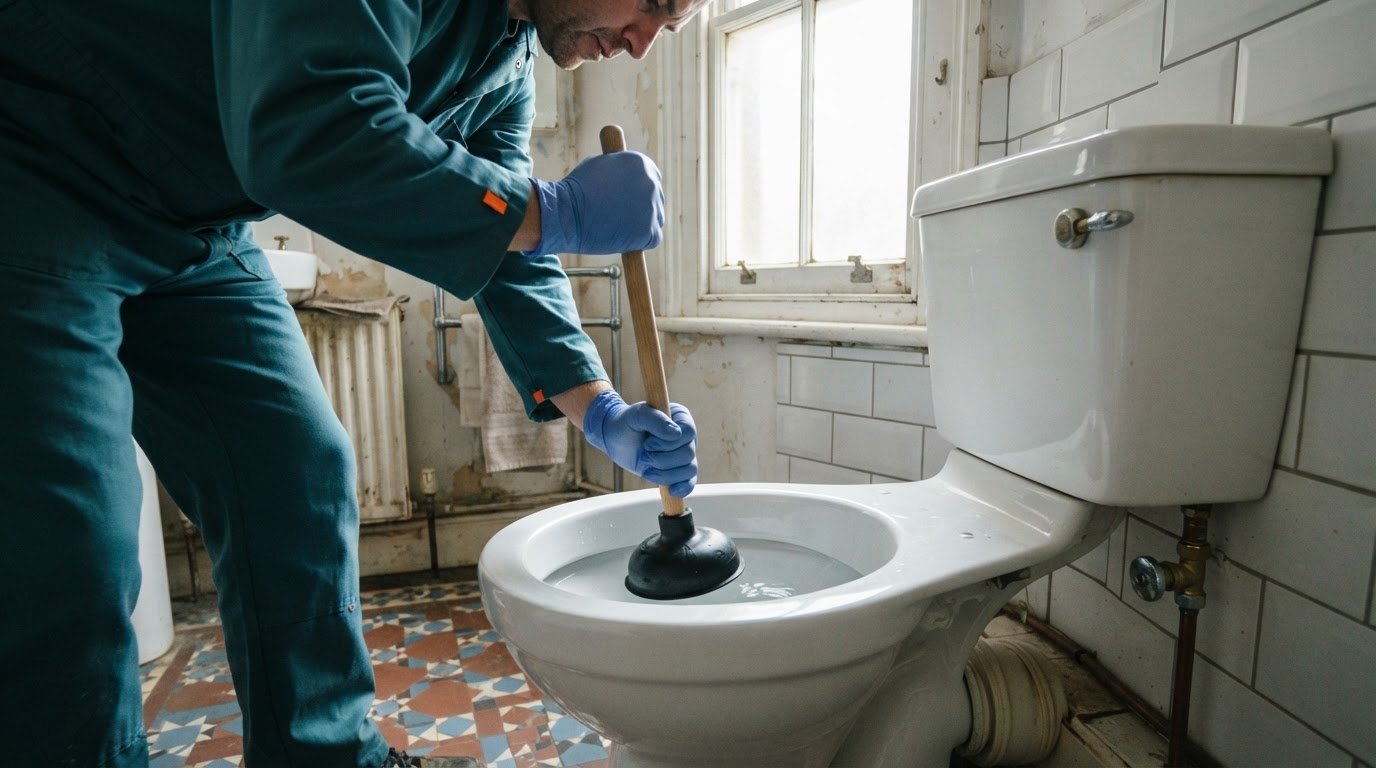
The inspection begins by establishing which areas and systems are included. The plumber then examines accessible pipes, drains, taps, toilets and appliances, noting issues such as a loose fitting or damp patch beneath a sink. If a concern cannot be assessed visually, the report can identify further investigation as a separate step.
Water supply and pressure checks describe how the system is performing during the visit. A slow-running tap, for example, is a finding to record, not proof by itself of a fault throughout the supply. Separating observations from conclusions helps you understand whether repair, replacement or further investigation is recommended.
The property’s use also shapes the inspection. In a rental home, checks may cover Gas Safety requirements, water efficiency standards and tenant safety obligations. For a commercial kitchen, an inspection may assess grease management systems and compliance with food service regulations. The checks should focus on systems relevant to the building’s use.
An assessment of gas installation safety can include gas appliances, pipework, ventilation and safety systems. A plumbing inspection is not a substitute for a separate assessment when specialist testing is needed. The report should make clear which areas were examined and where the inspection scope ends.
Before a property purchase, a survey can help identify visible plumbing concerns before decisions are made about the home. For a new installation or refurbishment, inspection findings can also help clarify which existing components may need attention. A clear record supports practical next steps and informed decisions, bringing peace of mind without implying that concealed areas have been examined.
For help acting on plumbing findings, arrange a plumbing inspection and set out the property concerns you want assessed.
Polkadot: London Emergency Plumbing
Polkadot provides London emergency plumbing for problems that need attention, including leaks or faults identified during an inspection. If a report recommends a repair, share the relevant findings so the next steps can focus on the issue and the work required.
For wider property plans, Polkadot also provides heating, air conditioning and refurbishment services. These may be relevant when plumbing findings form part of broader work on a home, such as updating a room or reviewing its heating system.
When contacting Polkadot about a plumbing concern, describe the affected area, visible symptoms and any recommendations in the inspection report. This gives useful context and helps clarify the work you need. For a leak or another plumbing issue, contact Polkadot to discuss the next step.
Turn inspection findings into a clear plan
Use the inspection as a starting point for decisions about your property, not a reason to tackle every recommendation at once. Separate issues affecting everyday use from planned maintenance, then consider how each proposed job fits your priorities. Discuss the scope before any work begins.
The plumbing inspection cost in London is only one part of the decision. Connect the findings with the work you may need, so the proposed scope is clear and relevant to your home. If the report raises concerns, keep it handy when discussing what should happen next.
Polkadot can help you consider plumbing work in the context of your property’s needs. Contact Polkadot about your plumbing inspection to discuss the findings and your next steps. A clear plan can make it easier to move forward with confidence.
Frequently Asked Questions
What Does a Plumbing Survey Include and How Much Does It Cost?
A plumbing survey assesses accessible plumbing and records relevant findings; repairs are separate work. Its scope may cover visible pipework, water outlets and drainage, with recommendations based on the property’s condition. Cost depends on the home’s size and layout, access to services and whether further investigation is needed. A quote should make the survey scope clear.
How much does a plumbing inspection cost in London?
The price depends on what the inspection needs to cover and the property’s layout. A survey of accessible plumbing differs from an investigation into a reported leak or suspected pipework fault. Access, the areas included and any additional diagnostic work also affect the quote. Use the written scope to see what the inspection covers and which follow-on work is separate.
What is included in a standard plumbing inspection?
A standard inspection focuses on accessible plumbing and visible signs of faults. It may record a dripping tap, a loose connection beneath a basin or a slow-draining sink. The report should locate each observation and explain whether further investigation is recommended. Concealed pipework should not be described as inspected if it was inaccessible during the visit.
Do London plumbers charge a call-out fee or hourly rate for inspections?
Inspection charges may be based on a defined survey or time-based attendance, so the quote should state its basis. Check whether it covers only the inspection or also diagnostic work and repairs. Keep these items distinct: an hourly labour charge and a survey scope describe different things. A clear written estimate shows which tasks are included before work starts.
How much do specialist plumbing inspections cost for leaks, boilers, or drains?
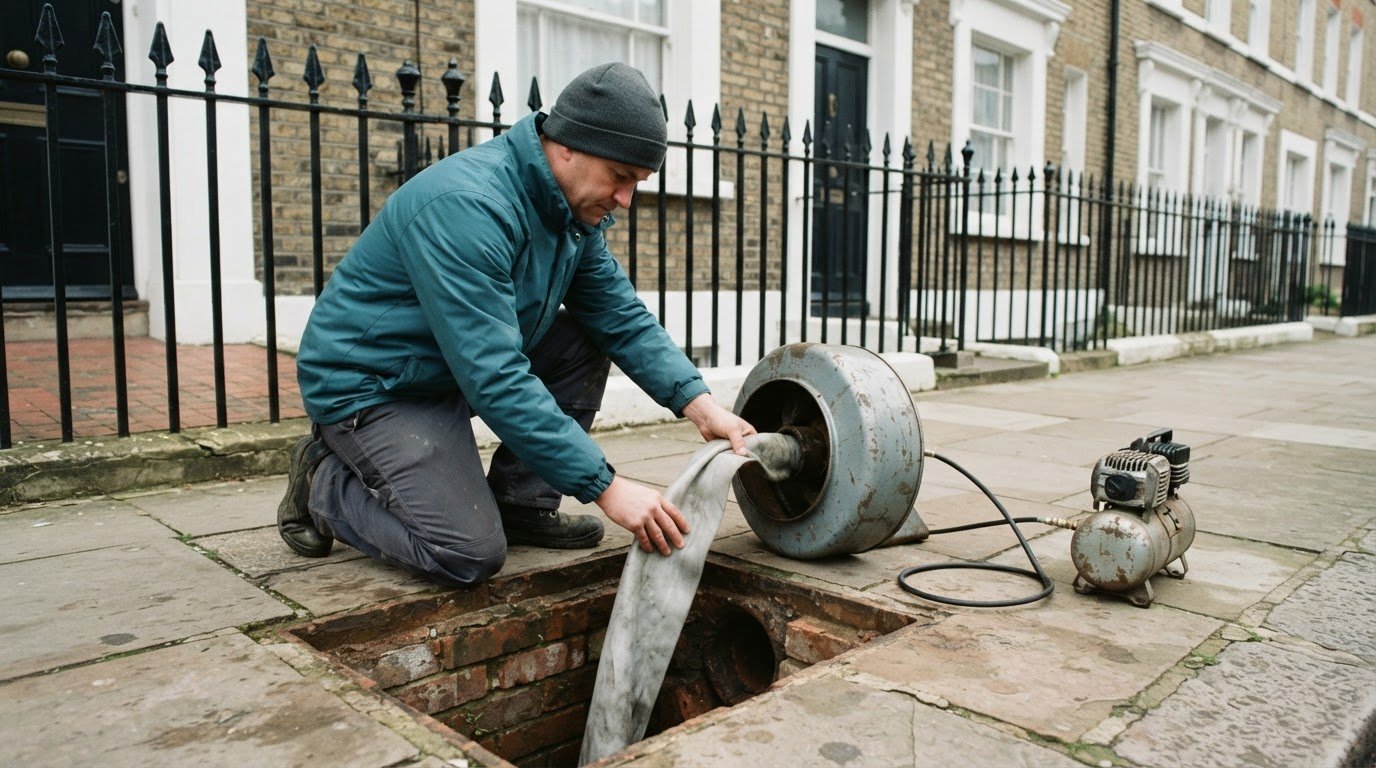
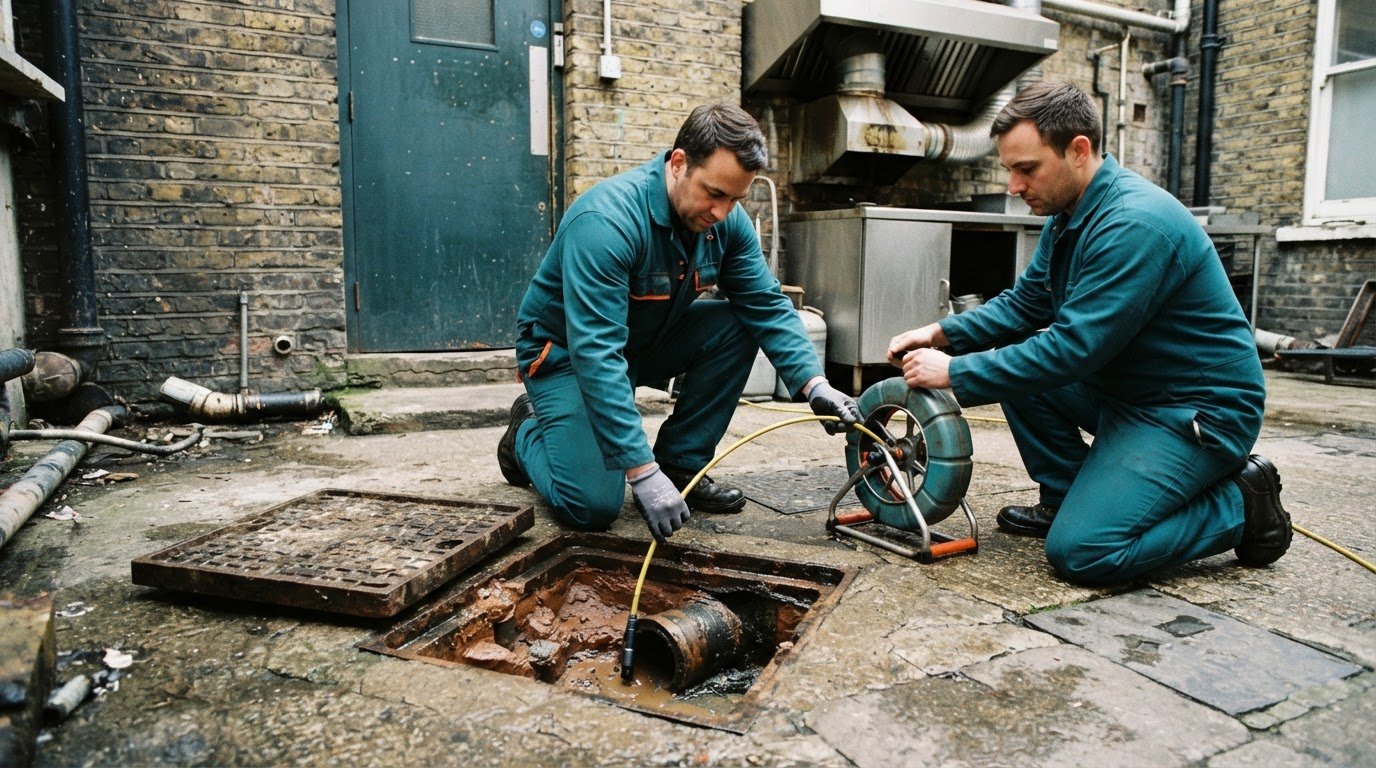
Specialist inspection costs depend on the equipment and investigation required, so one figure cannot describe every job. Leak detection may use advanced monitoring devices. A boiler service is a separate task that can include checks of the heat exchanger, burner, flue and controls, as well as cleaning and a report. A CCTV drain survey examines drain interiors, with its scope shaped by the problem being investigated.
Are plumbing inspection prices higher in Central London than outer London?
Central London estimates may reflect practical factors such as access, parking and travel arrangements; outer London visits have their own logistics. These factors do not mean every inspection has an automatic uplift. The property’s size, inspection scope and access to plumbing also shape the quote. A written estimate helps distinguish attendance considerations from the work required inside the property.
Comments